
Your Reno Home Sold—but Your Next Home Isn’t Ready. Can You Stay After Closing, Or Are You Moving Twice?
Your Reno home got an offer and is under contract, but the next home you are buying in Sparks will not be ready on the same day. Maybe the next closing slipped. Maybe construction is taking longer than expected. Either way, moving twice sounds expensive and exhausting.
Can you close the sale and stay put temporarily?
Sometimes, yes. A negotiated seller rent-back, also called post-closing occupancy, may bridge the gap. But it isn't an automatic right, and it takes more than a loose promise to “be out soon.”
The buyer must agree, the arrangement must fit the buyer’s financing and insurance, and everyone needs a written agreement for the day the seller actually leaves.
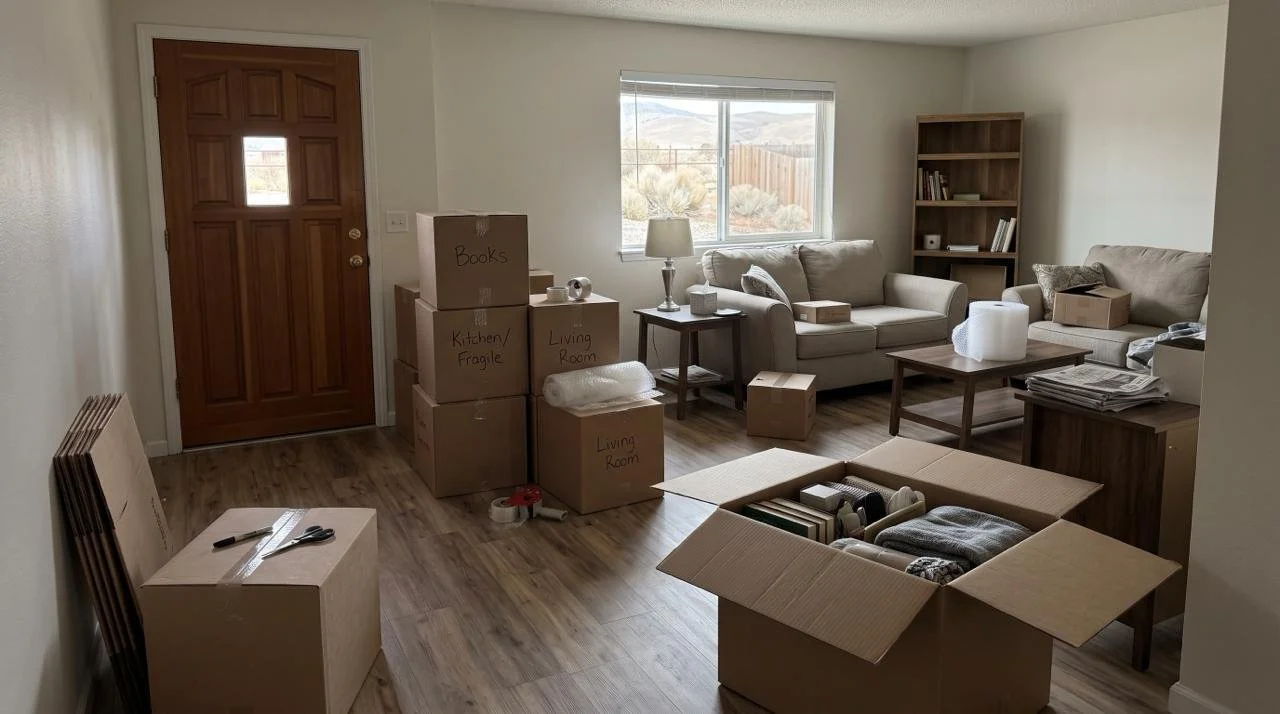
Closing and Moving Out Can Be Different Dates
Normally, the purchase agreement sets when the buyer receives possession and can move it. A separately documented agreement can allow the seller to remain after ownership transfers.
For example, imagine a seller moving from Northwest Reno to Spanish Springs who needs two extra weeks after closing. A short stay might avoid temporary housing and a second move, while allowing the buyer and seller to keep their scheduled closing.
But the buyer now owns a home someone else is occupying. Mortgage payments, property risk, and the buyer’s own moving plans do not pause simply because the seller needs more time.
Before agreeing, compare a rent-back with alternatives such as adjusting the closing date or arranging temporary housing. The most convenient option for one side may create a real problem for the other.
Check the Loan Before Promising Extra Time
A buyer financing the property as a primary residence usually has occupancy requirements. Many owner-occupied loan arrangements require the buyer to move in within a specified period, commonly 60 days.
Ask the lender to review the proposed stay before the parties commit. Include the planned move-out date and any possible extension. Do not assume that a cash buyer’s flexibility applies to a financed purchase, or that calling the arrangement “temporary” solves an occupancy conflict.
Nevada has another important distinction. NRS 118A.180(2)(k) excludes certain seller occupancy under a purchase-and-sale agreement lasting no more than 90 days from that chapter’s residential landlord-tenant provisions.[3]
That is not a blanket permission to stay 90 days, an exception to the buyer’s loan requirements, or a guarantee that every rent-back qualifies. Prepare and have the appropriate agreement reviewed; get legal advice on applicability, extensions, or enforcement rather than assuming a generic rental form will fit.
Put the Practical Details in Writing
A useful after-closing occupancy agreement should address more than the daily charge. Work through these points before closing:[1]
The exact end date and time. Specify when the home must be vacant and how keys, remotes, and access codes will transfer. “When our new house is ready” is not a dependable deadline.
Payment and deposits. Identify the agreed charge, payment schedule, any deposit or escrow holdback, who holds the funds, and the conditions for deductions and release. Confirm any escrow instructions with the closing company.
Utilities and upkeep. Decide who maintains utility service, pays bills, handles landscaping, and takes care of routine maintenance during the stay.
Damage and repairs. Establish how problems are reported, who handles emergencies, and how responsibility is determined. Consider a leaking appliance or failed heater—not just obvious moving damage.
Access and condition. Document the property with a walkthrough and photos around closing, and arrange another inspection when possession changes. Agree on access procedures during occupancy.
A missed deadline. Set out the agreed consequences, subject to applicable law, and the process for requesting an extension. A charge for overstaying does not guarantee the seller will leave on time.
The parties should understand the agreement before signing, not discover its meaning when the moving truck arrives.
Insurance Needs Its Own Conversation
Do not assume the seller’s existing homeowners policy continues unchanged after the sale, or that the buyer’s ordinary owner-occupied policy automatically covers this arrangement.
Both parties should tell their insurance professionals that the seller will remain after closing. Ask about the building, personal belongings, liability, deductibles, and the dates coverage begins or ends. The seller may need different coverage for belongings and liability; the buyer may need a policy or endorsement suited to the occupancy.
Get confirmation for the specific situation. A clause assigning responsibility between buyer and seller does not rewrite an insurance policy.
Have a Backup Move-Out Plan
If the next home is delayed again, the seller needs an alternative—not an assumption that the buyer will grant another week. Temporary lodging, storage, and moving availability are worth exploring before closing.
Likewise, buyers should consider what a delay would mean for their lease, movers, work schedule, and lender commitments. If a dispute develops, get legal guidance rather than attempting a lockout or shutting off utilities.
A well-planned rent-back can make a Reno-Sparks move easier. Assist2Sell Buyers & Sellers Realty can help buyers and sellers coordinate dates, compare practical options, and bring the lender, closing company, insurer, and legal professionals into the conversation when needed. The goal is a smooth handoff—not an open-ended stay.